State:
Upper Nile also known as A'aly an-Nyl and Aâlâ En Nîl
Province:
Upper Nile

Approximate Population:
964,353
State Capital:
Malakal
Other Important Towns:
Renk, Kodok (Fashoda), Nasser, Oriny, Maiwut, Gerger, Melut
Counties :
Ulang County
Baliet County
Maiwut County
Longechuk County
Maban County
Maban County
Renk County
Manyo County
Meluth County
Pinyikang County
Fashoda County
Makal County
Manyo County
Meluth County
Pinyikang County
Fashoda County
Makal County
Akoka County
Religion
The people of Upper Nile state are either spiritualists/traditionalists,Christians or Muslims.Upper Nile has the highest population of South Sudanese Muslims in the country,due to it's location in Northern South Sudan.
Those who practice Islam also the majority of those who were known to protest for the need of a secession.As they believe that the North not only ignores the needs of the Southerners but also ignores the fact that there are Muslims in South Sudan.
Tribes which reside in the area
Anyuak people
Anywaa Jambo,Yambo and Nuro commonly known as Anyuak to outsiders
 |
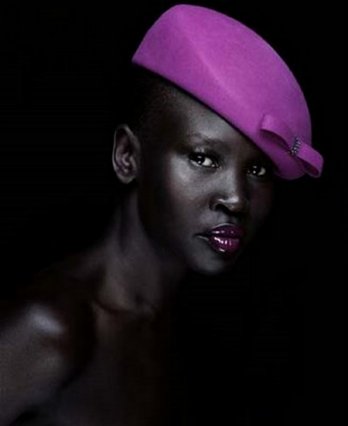
| An Anuak woman |
Occupations:
Herdsmen
Farmers
Farmers
Land
Live in a grassy region that is flat and virtually treeless. During the rainy season, this area floods, so that much of it becomes swampland with various channels of deep water running through it. They are part of the Luo group of people which reside throughout East Africa,Anyuak people are also found nearby is Ethiopia.
Jum Jum people
Religion:
Jum Jum people
Religion:
Muslim
Animism
Population:
50.000 people
Land:
Land:
The Jum Jum people reside in Northern Upper Nile State but the majority are found in Sudan.
Occupations:
 |
| The Jum Jum live on the Eastern border of Upper Nile |
Men:Farmers and Shepherds
Women: help with the harvest of fruit,vegetables etc (agriculture)
Maban people
Women: help with the harvest of fruit,vegetables etc (agriculture)
Maban people
Also known as 'Mabaano',‘Burun’or ‘Chai’
Population:
Population:
100,000 people
People and Land
People and Land
The Maban are originally from the Luo group and believed to have separated from the Shilluk in Soba near Khartoum,due to the collapse of the last Christian Kingdom of Makkura.They later migrated to the Baro River area.
Mabaano people live in Upper Nile state in Maban County, the Manbano and Buldid clans are also found in Maiwut county.
Mabaano people live in Upper Nile state in Maban County, the Manbano and Buldid clans are also found in Maiwut county.
Customs and Beliefs
Traditionally,every October the Maban perform 'the sacrifice feast' which is used to confess all their sins and to ask their supreme being (who is their God) to grant them good health and to ask for tolerance towards their actions.
Traditional dance
Other tribes that reside in the area are:
Fashoda Incident
Kodok (Fashoda) is the location of the infamous 'The Fashoda Incident' (1898) were there was the climax of territorial disputes between the United Kingdom and France. It brought the United Kingdom and France to the verge of war , but ended in a diplomatic victory for the UK.
Images and References:Gurtong,Joshua Project,Wikipedia